Table of Contents
ToggleAdvanced Implant Care
Dental implants in Turkey are one of the most advanced and reliable solutions for replacing missing teeth. Designed to function as artificial tooth roots, implants are placed into the jawbone to support crowns, bridges or full-arch restorations.
At Phinova Clinics, dental implant treatment is planned with advanced digital diagnostics, CBCT imaging and a personalised clinical approach. Our goal is not only to replace missing teeth, but also to restore chewing function, facial harmony, confidence and long-term oral health.
For international patients travelling to Türkiye, Phinova Clinics offers a structured treatment journey that can begin with an online assessment before travel.
Send your dental photos or X-ray and receive a personalised treatment plan before travelling.
Dental Implants in Turkey: Key Information
Dental implants in Turkey can be a long-term solution for patients who have one or more missing teeth and want a fixed, natural-looking restoration.
At Phinova Clinics, implant treatment is planned after evaluating the patient’s oral health, bone structure, medical history and aesthetic expectations. Depending on the case, treatment may involve a single dental implant, multiple implants, implant-supported bridges, All-on-4, All-on-6 or full mouth rehabilitation.
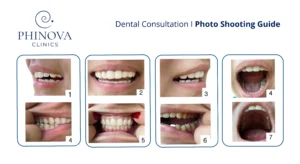
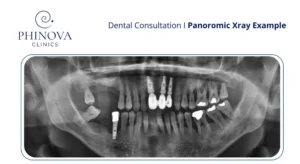
International patients can begin the process remotely by sending dental photos, panoramic X-rays or CBCT scans for an initial treatment assessment.
What Are Dental Implants?
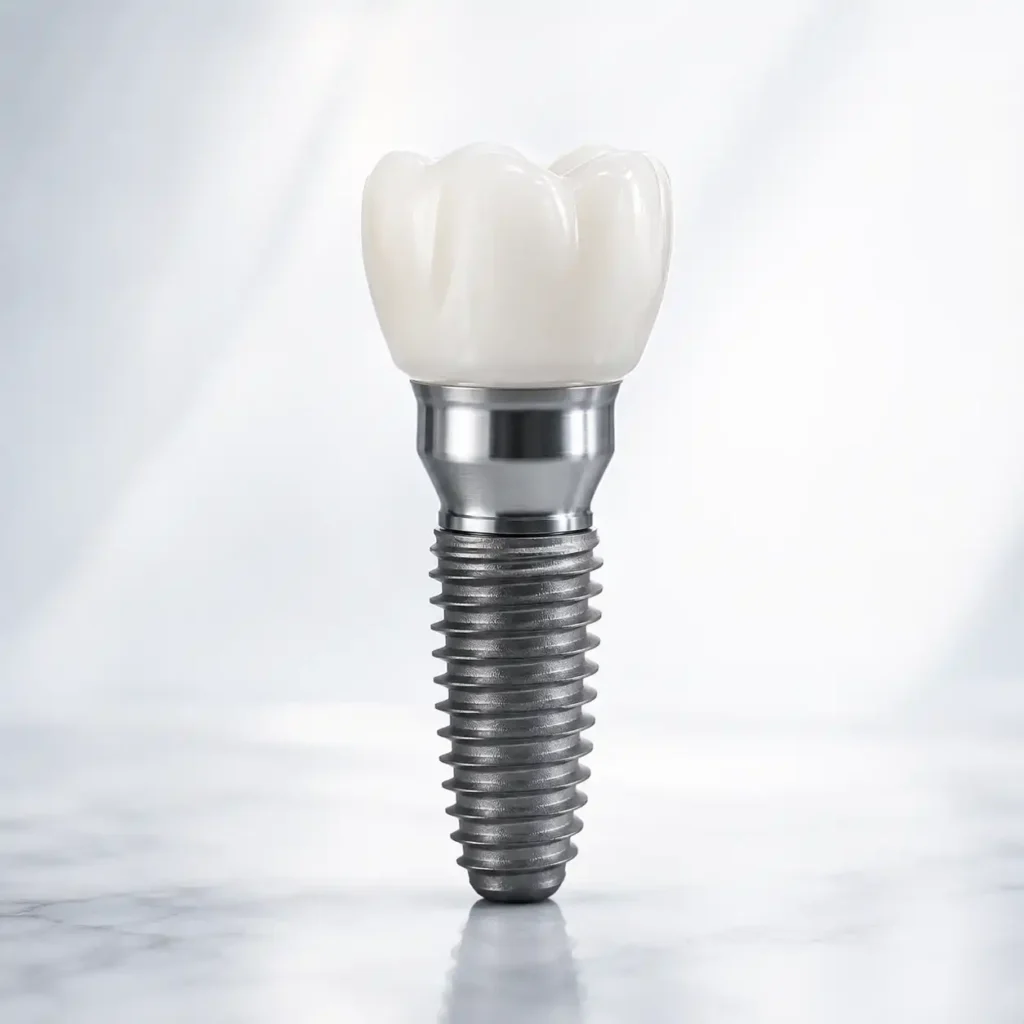
A dental implant is a small biocompatible titanium fixture that is placed into the jawbone to replace the root of a missing tooth. Over time, the implant integrates with the surrounding bone through a natural biological process known as osseointegration.
Once healing is complete, a custom-made dental crown, bridge or implant-supported prosthesis is attached to the implant. The final restoration is designed to look, feel and function like natural teeth.
Unlike removable dentures, dental implants are fixed in place. They help improve chewing ability, speech comfort, facial support and overall quality of life.
Dental implants may be used for:
- Replacing a single missing tooth
- Replacing multiple missing teeth
- Supporting a fixed dental bridge
- Stabilising full-arch restorations
- Full mouth implant rehabilitation
- All-on-4 or All-on-6 implant treatments
Who Is Suitable for Dental Implants?
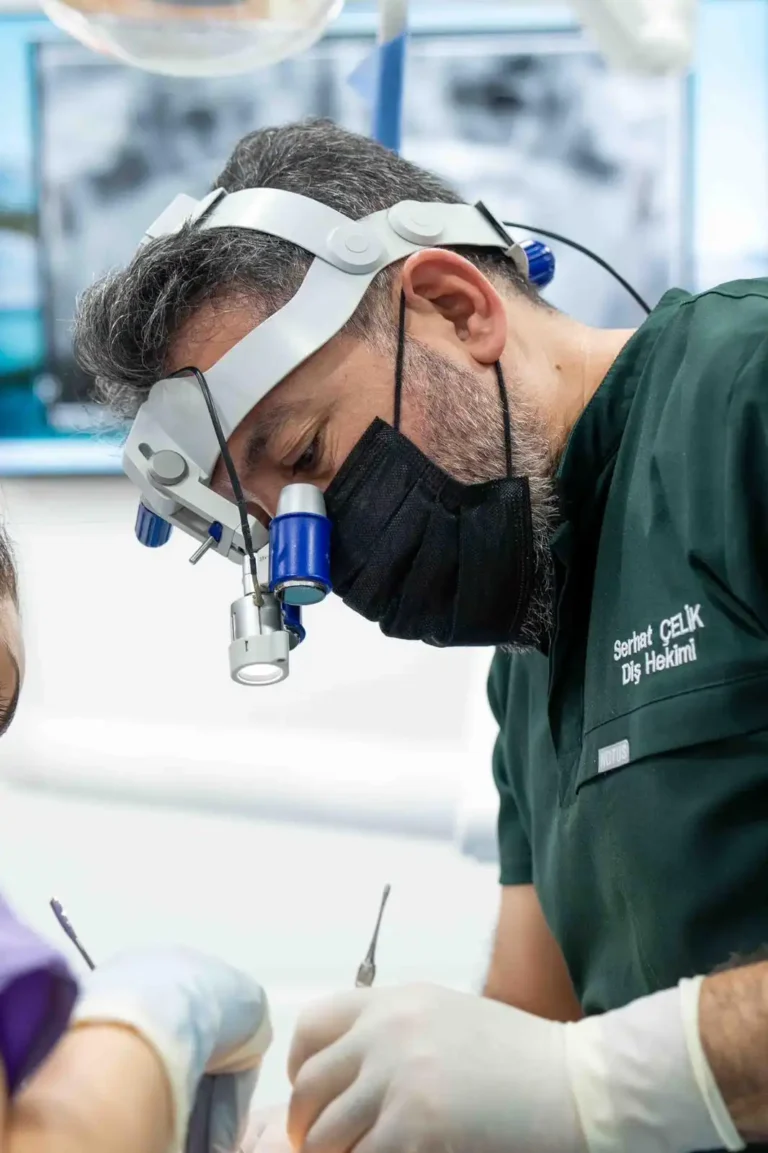
Implantologist Serhat Çelik
Most healthy adults with missing teeth may be suitable candidates for dental implant treatment. However, every patient requires an individual clinical assessment before treatment can be confirmed.
You may be suitable for dental implants if you:
- Have one or more missing teeth
- Wear removable dentures and want a fixed solution
- Have lost teeth due to decay, trauma or gum disease
- Want to improve chewing function
- Want a natural-looking smile restoration
- Have enough bone volume to support implants
- Are looking for full mouth rehabilitation
- Are in suitable general health for oral surgery
At Phinova Clinics, every implant case is assessed with clinical examination, digital imaging and bone evaluation before a personalised treatment plan is prepared.
Who May Need Additional Assessment?
Some patients may still be suitable for dental implants but require additional planning, medical consultation or preliminary treatment.
Additional assessment may be needed if you:
- Have diabetes or uncontrolled blood sugar levels
- Smoke heavily
- Have advanced bone loss
- Have active gum disease
- Need tooth extractions before implant placement
- Require bone grafting
- Require sinus lifting for upper jaw implants
- Use certain medications affecting bone healing
- Have complex medical conditions
- Have previously experienced implant failure
These factors do not always prevent implant treatment, but they must be carefully evaluated to improve safety, healing and long-term success.
Dental Implants in Turkey for International Patients
Many patients from Europe, the UK, Ireland and other international destinations consider dental implants in Turkey because they are looking for high-quality dental care, personalised planning and a structured treatment journey abroad.
At Phinova Clinics, international patients can begin their journey before travelling. Our team can review dental photos, panoramic X-rays or CBCT scans when available and prepare an initial treatment plan based on the patient’s needs.
For international patients, the process usually includes:
- Online consultation before travel
- Review of dental photos or X-rays
- Personalised treatment planning
- Clear explanation of required visits
- Implant placement in Turkey
- Healing period at home
- Second visit for final restorations
- Aftercare guidance and remote follow-up
Our international patient coordinators support patients throughout the journey, including treatment scheduling, transfer guidance, accommodation support and aftercare communication.
For country-specific information, patients can also visit our dedicated pages for UK and Ireland patients.
Dental Implant Selection: Key Clinical Information
Dental implant selection is a clinical decision based on the patient’s bone structure, jaw anatomy, implant diameter, implant length, prosthetic plan and the experience of the implantologist.
At Phinova Clinics, implant type, size, position and brand are selected according to each patient’s individual case. Every implant brand offers different lengths and diameters, so the most suitable option should be chosen by the surgeon after clinical and radiographic evaluation.
Dr. Serhat Çelik is an experienced implantologist who has performed more than 15,000 dental implant procedures. Based on his clinical experience, he selects implant systems known for predictable stability, reliable healing and long-term performance.
The cheapest implant, or the most globally known implant brand, may not always be the right choice for every patient. Dental implant placement is a surgical procedure, and treatment success depends on accurate planning of implant position, depth and angle in relation to bone volume, nerves, sinuses and surrounding anatomical structures.
Types of Implant Treatments
Dental implant treatment is not the same for every patient. The right approach depends on the number of missing teeth, bone condition, oral health and aesthetic expectations.
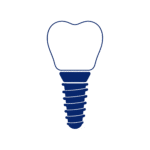
Single Dental Implant
A single implant can replace one missing tooth without preparing or reducing the neighbouring teeth. It is usually restored with a custom-made crown designed to match the surrounding natural teeth.
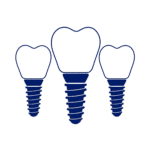
Multiple Dental Implants
For patients missing several teeth, multiple implants may be used to support individual crowns or an implant-supported bridge. This approach can restore chewing function and smile aesthetics in a fixed way
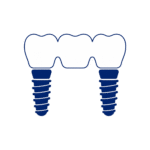
Implant-Supported Bridge
When several teeth are missing in the same area, an implant-supported bridge may restore function and aesthetics without placing one implant for every missing tooth.
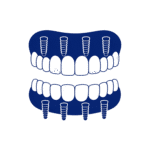
Full Mouth Dental Implants
Patients with multiple missing, failing or severely damaged teeth may require full mouth implant rehabilitation. This may involve implant-supported bridges, zirconia restorations or full-arch prosthetic solutions.
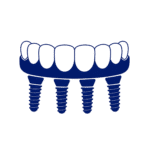
All-on-4 Dental Implants
All-on-4 treatment uses four implants to support a full-arch fixed prosthesis. It may be suitable for patients who have lost most or all teeth in one jaw and want a fixed alternative to removable dentures.
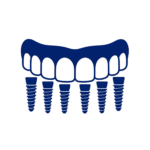
All-on-6 Dental Implants
All-on-6 treatment uses six implants to provide additional support for a full-arch restoration. It may be recommended depending on bone structure, bite forces and prosthetic planning
Dental Implant Treatment Process
Dental implant treatment requires careful planning and usually takes place in stages. The exact timeline of dental implants in Turkey depends on the patient’s oral condition, bone structure and treatment complexity.
Step 1: Online Assessment
For international patients, the process can begin remotely. Patients may send dental photos, panoramic X-rays or CBCT scans for initial assessment.
Based on the available information, the clinical team prepares a preliminary treatment plan and explains the possible treatment options.
Step 2: First Visit
When the patient arrives at Phinova Clinics, a detailed clinical examination is performed. Digital radiography and CBCT imaging may be used to evaluate bone quality, anatomical structures and implant positioning.
This stage allows the treatment plan to be finalised before surgery.
Step 3: Implant Placement
The dental implant is placed into the jawbone under local anaesthesia using advanced surgical protocols. In suitable cases, temporary teeth or provisional restorations may be provided.
For complex cases, additional procedures such as bone grafting or sinus lifting may be recommended to create better implant support.
Step 4: Healing Period
After implant placement, the implant needs time to integrate with the jawbone. This healing phase is called osseointegration.
Healing time varies from patient to patient but commonly takes between two and six months, depending on bone quality, implant number, surgical complexity and general health.
Step 5: Second Visit
Most implant treatments require a second visit after the healing period. During this visit, the final prosthetic stage begins.
The clinical team checks implant integration, gum condition and bite relationship before preparing the final restoration.
Step 6: Final Restoration
Once healing is complete, the final crown, bridge or implant-supported prosthesis is prepared and attached.
The final restoration is designed to provide natural aesthetics, comfortable chewing function and long-term durability.
Step 7: Aftercare
After treatment, patients receive care instructions for oral hygiene, eating habits and long-term maintenance.
For international patients, remote follow-up can help support the aftercare process after returning home.
How Much Do Dental Implants Cost in Turkey?
The cost of dental implants in Turkey depends on the patient’s individual treatment needs. There is no single fixed price because every case is different.
The final treatment cost may depend on:
Number of implants : Single implant, multiple implants or full mouth treatment
Implant system: Internationally recognised implant brands may affect cost
Bone grafting: Some patients need additional bone support
Sinus lifting: May be required for upper jaw implant cases
Final restoration: Crown, bridge, zirconia or full-arch prosthesis
Treatment complexity: More complex cases require more planning and appointments
Number of visits Some cases require staged treatment
At Phinova Clinics, patients receive a personalised implant treatment plan after clinical assessment and digital evaluation.
Why Choose Phinova Clinics?
Experienced Implant Team
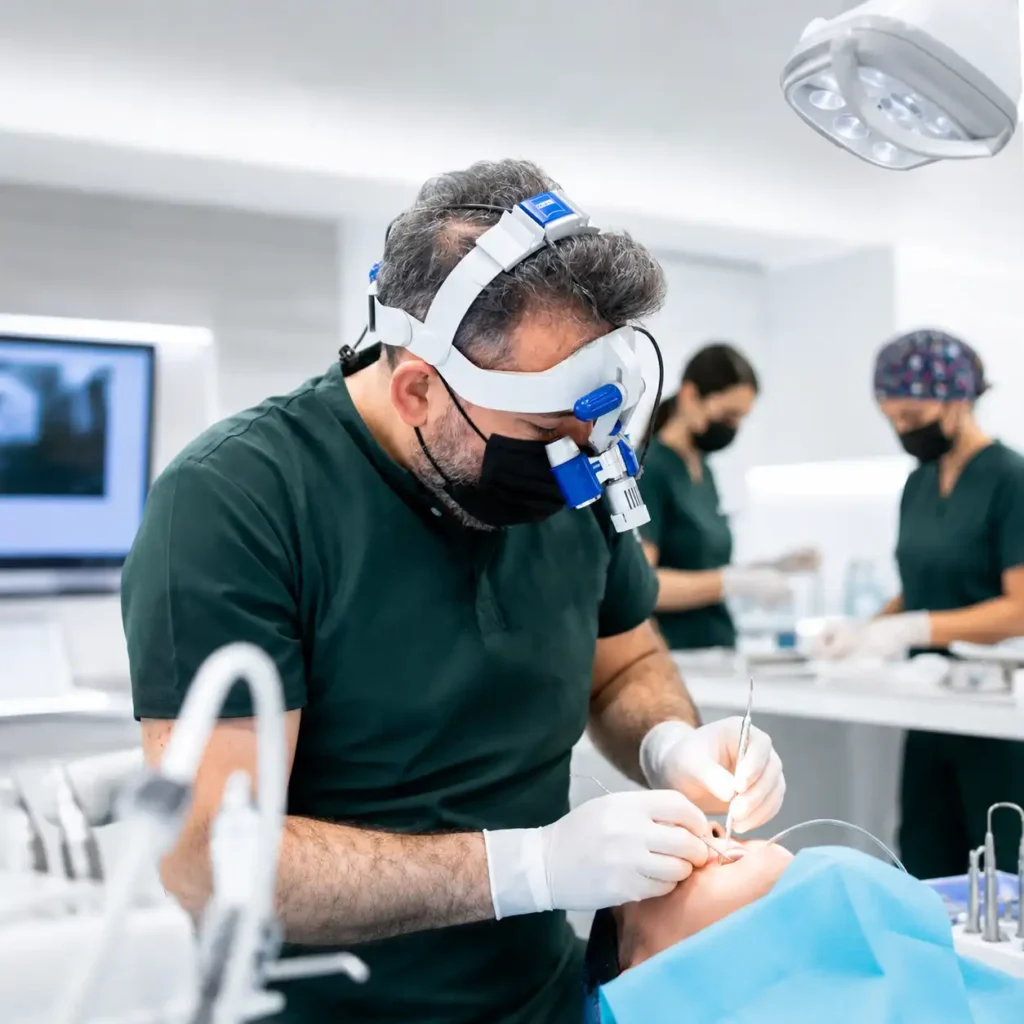
Led by Dr. Serhat Çelik and supported by an experienced multidisciplinary team, Phinova Clinics provides implant treatments for patients from Turkey and abroad.
Personalised Treatment Planning
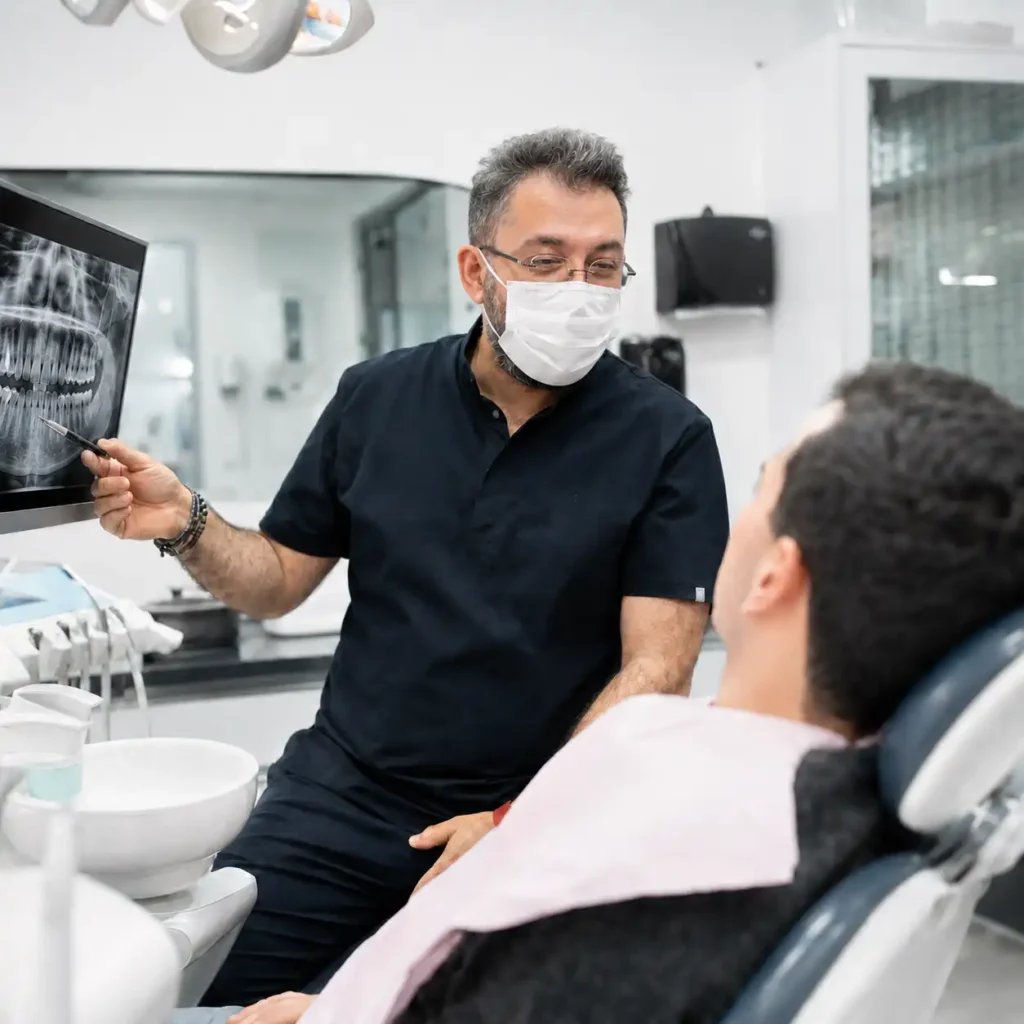
Every implant case is different. Treatment plans are designed according to the patient’s bone structure, oral health, aesthetic expectations, functional needs and long-term goals.
International Patient Care

From consultation and treatment planning to transfers, accommodation guidance and aftercare, our international patient coordinators help create a smoother experience for patients travelling from abroad.
Clinics in İzmir and Kuşadası

Phinova Clinics welcomes international patients in modern clinical locations in İzmir and Kuşadası, offering dental care in two of Turkey’s most accessible and attractive destinations.
Technology & Digital Implant Planning
Successful implant treatment begins long before surgery.
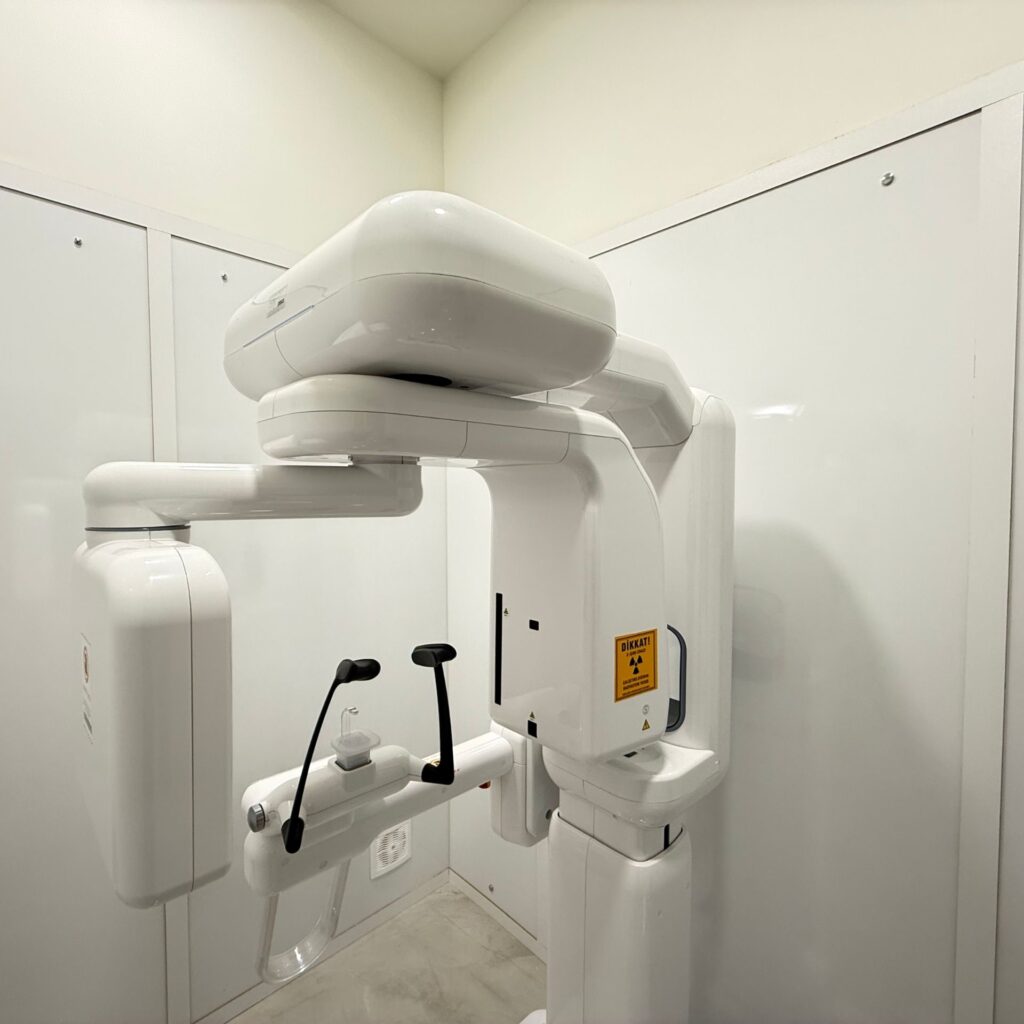
At Phinova Clinics, implant planning is supported by CBCT imaging and digital treatment planning. This allows the clinical team to evaluate bone density, anatomical structures, implant positioning and prosthetic requirements with greater precision.
Digital implant planning helps support:
- More accurate implant positioning
- Safer surgical planning
- Better prosthetic outcomes
- Reduced treatment risks
- Improved long-term predictability
- Personalised treatment design
Every implant case is planned according to the patient’s anatomy, oral health and restorative goals.
Risks and Considerations
Dental implants are a highly successful treatment option when properly planned, but they are still a surgical procedure and require careful evaluation.
Possible risks and considerations include:
- Implant failure
- Infection
- Delayed healing
- Bone loss
- Need for bone grafting
- Need for sinus lifting
- Gum disease before or after treatment
- Smoking-related healing problems
- Diabetes-related healing concerns
- Poor oral hygiene affecting long-term success
At Phinova Clinics, each patient is assessed individually to identify risk factors and plan treatment safely. Patients are informed about treatment stages, healing expectations and aftercare responsibilities before treatment begins.
Dental Implant Before & After Cases
Before and after cases help patients understand what may be possible with implant treatment. Each case is different, and final results depend on the patient’s oral health, bone condition, smile design, gum structure and treatment plan.
Phinova Clinics can provide relevant case examples during consultation to help patients understand suitable treatment options.
Dental Implant FAQ
Are dental implants in Turkey safe?
Dental implants in Turkey can be safe when treatment is performed by experienced clinicians using proper diagnostics, certified implant systems and careful surgical planning. Patients should always choose a clinic that provides transparent treatment planning, digital imaging and clear aftercare guidance.
How long do dental implants last?
Dental implants can last for many years with proper planning, oral hygiene and regular dental check-ups. Long-term success depends on bone quality, implant positioning, general health, smoking habits and maintenance.
How many visits are needed for dental implants in Turkey?
Most implant treatments require two visits. The first visit is usually for implant placement, and the second visit is for the final restoration after healing. Some complex cases may require additional appointments.
How long should I stay in Turkey for dental implants?
The required stay depends on the treatment plan. Simple implant placement may require a shorter stay, while full mouth rehabilitation or additional procedures may require more time. Phinova Clinics provides a personalised travel and treatment timeline before the patient confirms their trip.
Can I get a treatment plan before travelling?
Yes. International patients can start with an online assessment by sending dental photos, panoramic X-rays or CBCT scans. This helps the clinical team prepare an initial treatment plan before travel.
Do I need a bone graft before dental implants?
Some patients need bone grafting if there is not enough bone volume to support implants. This is determined through clinical examination and digital imaging.
Do I need sinus lifting for upper jaw implants?
Sinus lifting may be required for some upper jaw implant cases when there is limited bone height near the sinus area. This is assessed with CBCT imaging.
Can diabetic patients have dental implants?
Some diabetic patients may be suitable for dental implants if their blood sugar levels are well controlled. However, uncontrolled diabetes can affect healing, increase surgical risks and negatively influence long-term implant success.
At Phinova Clinics, diabetic patients may be asked to provide an HbA1c blood test before implant treatment. In many cases, an HbA1c level below 7 may be considered more suitable for implant surgery, while levels above 8 can be considered higher risk and may require medical control before treatment.
Each diabetic patient is assessed individually according to their HbA1c level, general health, oral condition, bone structure and healing capacity. Medical consultation may be required before confirming implant suitability.
Can smokers have dental implants?
Smokers may still be suitable for dental implants, but smoking can increase healing risks and affect long-term success. Patients are usually advised to reduce or stop smoking before and after implant treatment.
Are dental implants painful?
Implant placement is usually performed under local anaesthesia. Patients may experience mild swelling, discomfort or sensitivity after surgery, but this is usually managed with medication and aftercare instructions.
What should I send for an online implant consultation?
For an online assessment, patients can send dental photos, panoramic X-rays or CBCT scans if available. Information about medical history, current dental problems and treatment expectations is also helpful.
Send Your X-ray or Dental Photos for a Personalised Treatment Plan
Dental implants can restore more than missing teeth. They can improve chewing function, smile confidence, facial support and overall quality of life.
At Phinova Clinics, every implant treatment is planned with digital diagnostics, clinical expertise and a personalised approach. For international patients, our team supports the dental implants in Turkey process from online consultation to aftercare.
Send your dental photos or X-ray today and receive a personalised implant treatment assessment before travelling.